
The Master Algorithm
A Conceptual Model

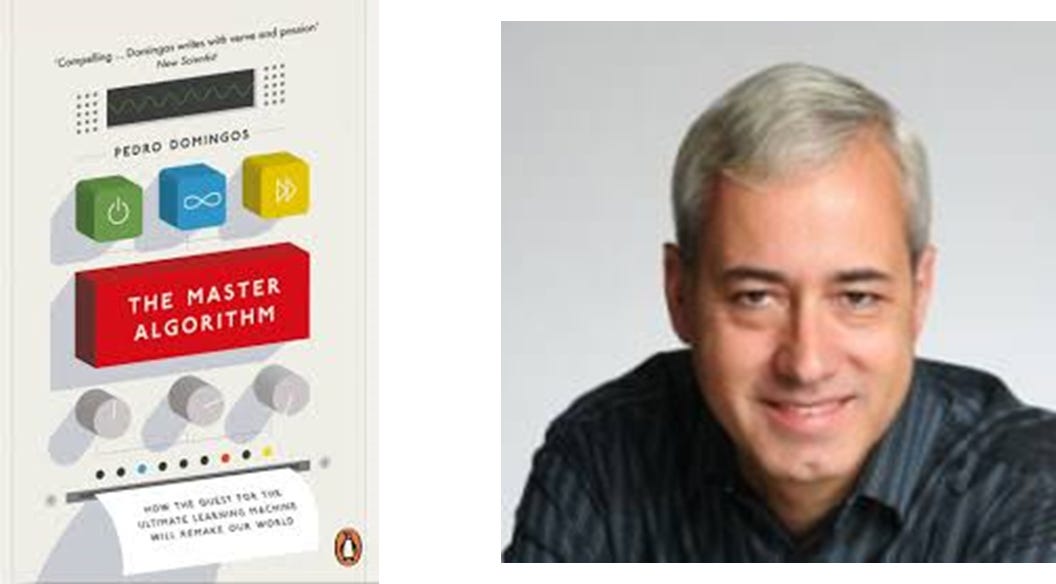
To dig deeper into the world of Artificial Intelligence, Siddharth started reading one of the most recommended books on the subject – ‘The Master Algorithm’ by Pedro Domingos.
Siddharth realized that our life is changing one algorithm at a time. Computers aren’t supposed to be creative; they are supposed to do what we tell them to do. However, if we tell computers to be creative, then we get machine learning.
For example, no one has programmed our tastes into the Amazon recommendation system; a learning algorithm figured them out on its own, by generalizing from our past purchases. Google’s self-driving car taught itself to stay on the road; no engineer wrote an algorithm instructing it step-by-step, how to get from A to B. No one knows how to program a car to drive, and no one needs to, because a car is equipped with a learning algorithm picks it up by observing what the driver does.
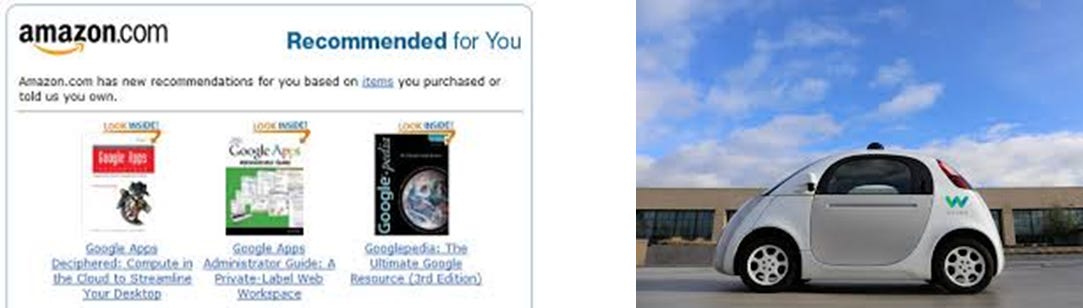
Machine Learning algorithms, also known as learners, figure things out on their own by making inferences from data. They turn data in algorithms. And the more data they have, the better they get and the more intricate the algorithms can be. Now we don’t have to program computers, they program themselves. This seems magical because, at its core, machine learning is about prediction.: predicting what we want, the results of our actions, how to achieve our goals, and how the world will change.
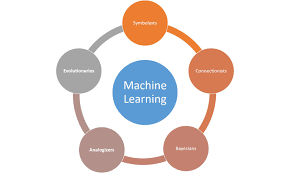
Hundreds of learning algorithms are invented every year, but they are all based o the same few basic ideas. There are five schools of thought in machine learning and each has its own master algorithm – a general purpose learner that we can use in principle to discover knowledge from data in any domain:
1. Symbolists view learning as the inverse of deduction and take ideas from philosophy, psychology, and logic. Their master algorithm is inverse deduction.
2. Connectionists reverse engineer the brain and are inspired by neuroscience and physics. Their master algorithm is backpropagation.
3. Evolutionaries simulate evolution on the computer and draw on genetics and evolutionary biology. Their master algorithm is genetic programming.
4. Bayesians believe learning is a form of probabilistic inference and have their roots in statistics. Their master algorithm is Bayesian inference.
5. Analogizers learn by extrapolating from similarity judgements and are influenced by psychology and mathematical optimization. Their master algorithm is Support Vector Machines.
In practice, each of these algorithms is good for some things but not for others. What we really want is a single algorithm combining the key features of all of them: the ultimate master algorithm. It is a unified theory that makes sense of everything we know to date and lays the foundation for decades or centuries of future progress. The Master Algorithm is our gateway to solving some of the hardest problems we face, from building domestic robots to curing cancer…